Photographs by Stephen M. Bland. Select a photograph to enlarge.
Vilnius, Lithuania
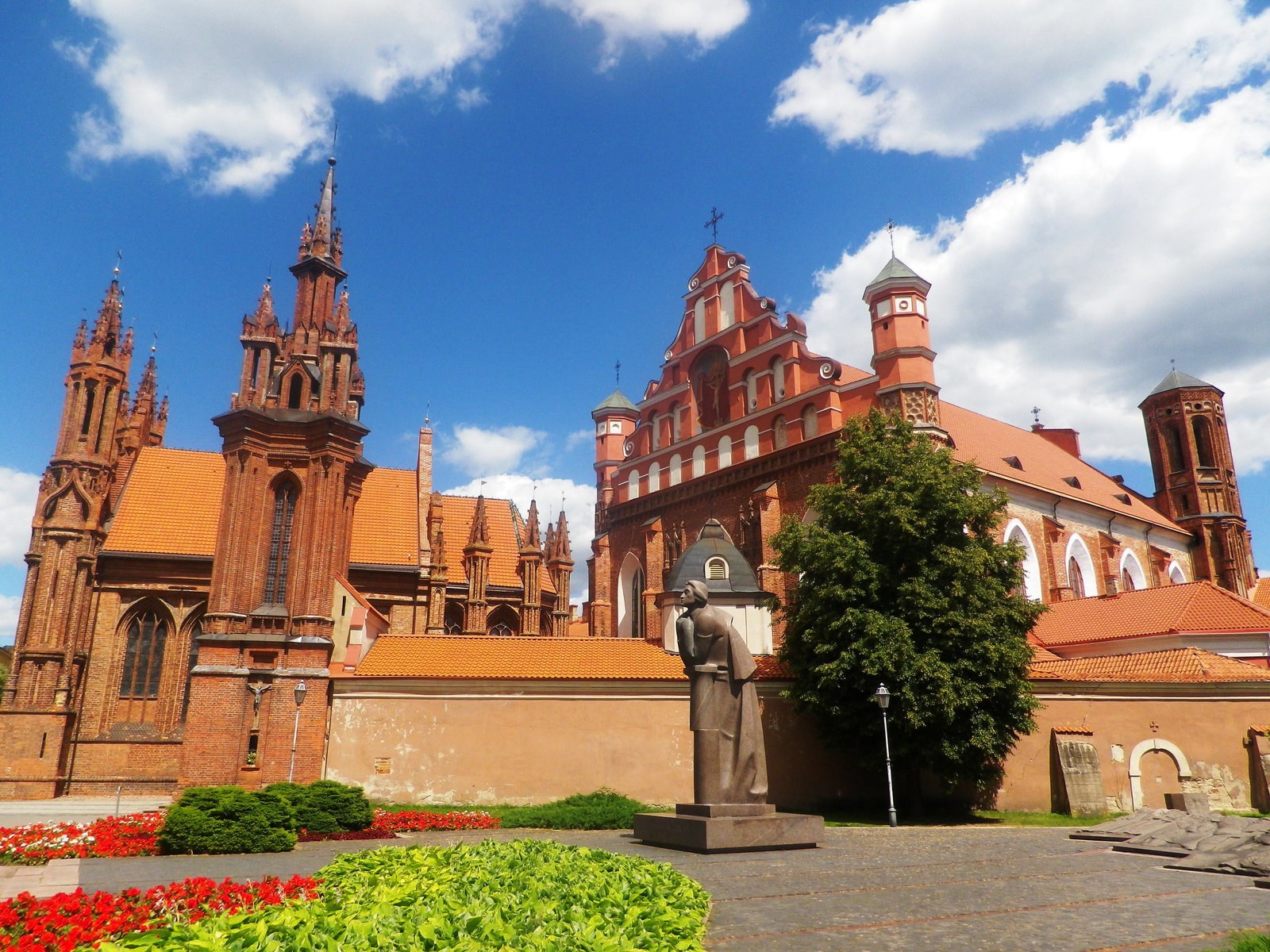
Gothic St. Anne's in Vilnius dating from 1582 so impressed Napoleon that he wanted to take it home to Paris brick by brick. St. Bernadine is photo bombing to the right.Vilnius, Lithuania
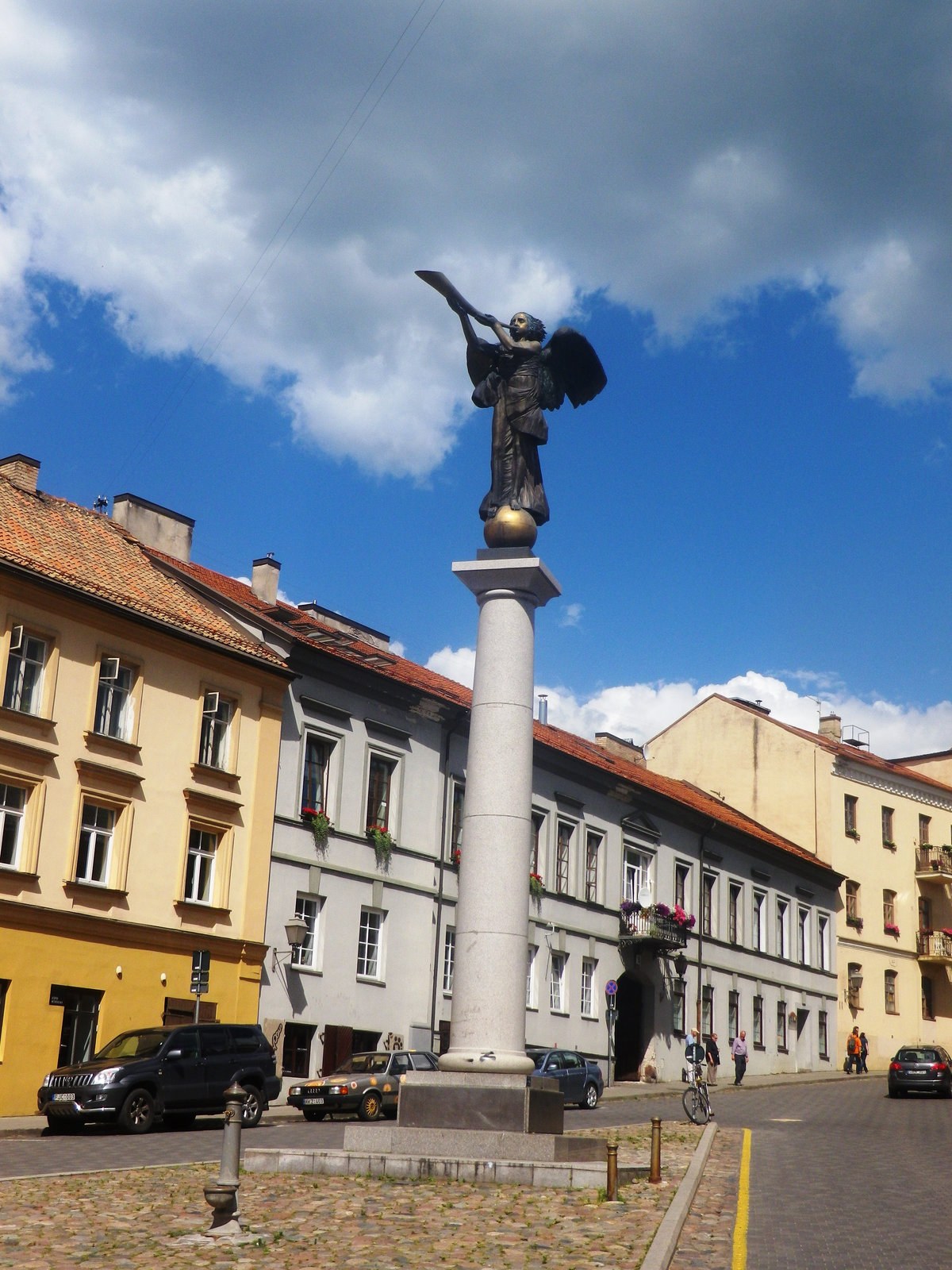
The Uzupis Angel, Vilnius. Arty district Uzupis attempted to declare it's independence from the rest of the Lithuania in 2000. Once a year border guards man the bridges across the River Vilnia. The yellow building to the left is where the founder of the Cheka, forerunner to the KGB, "Iron" Felix Dzerzhinsky lived.Vilnius, Lithuania
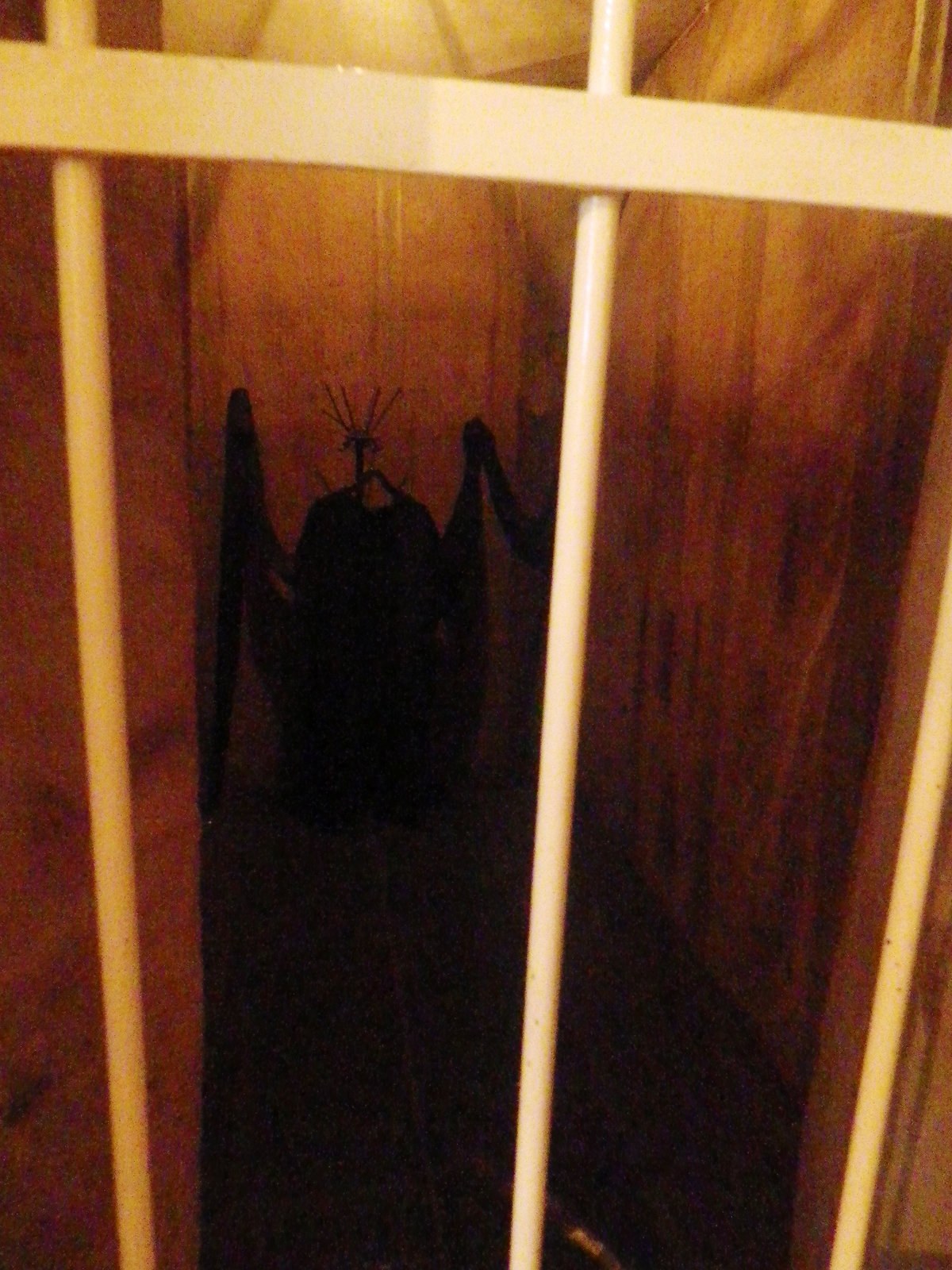
Straight jacket cell in the Lithuanian Genocide Museum, the building which first housed the NKVD (precursor to the KGB) before serving as HQ to the Gestapo, then reverting to the Soviets. An estimated 950,000 Lithuanians died at the hands of the Soviets, 250,000 at the hands of the Nazis.Trakai, Lithuania
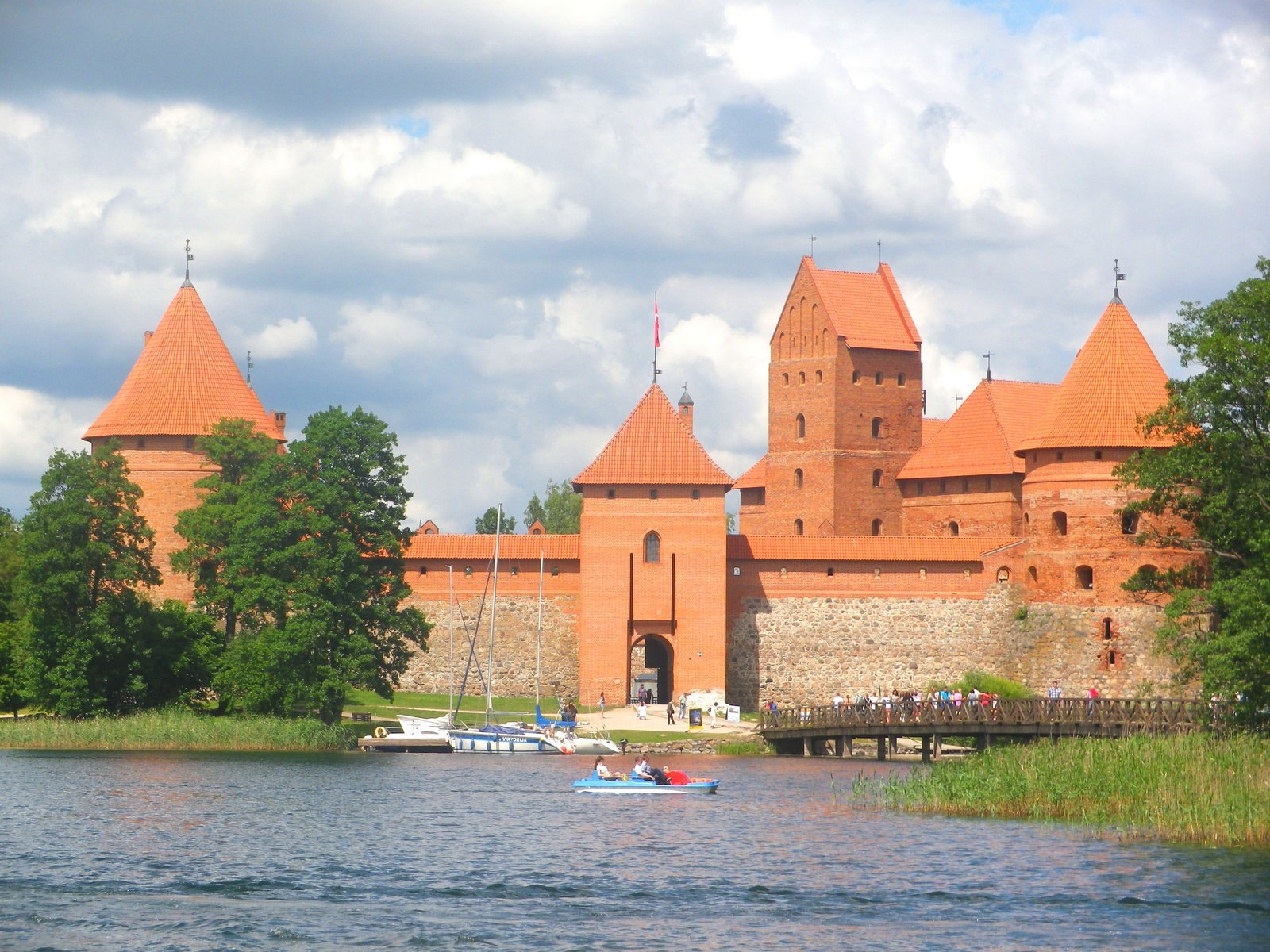
Originally constructed during the fourteenth century, Trakai Island castle was rebuilt in the 1960's, much to the vexation of Khrushchev.Siauliai, Lithuania
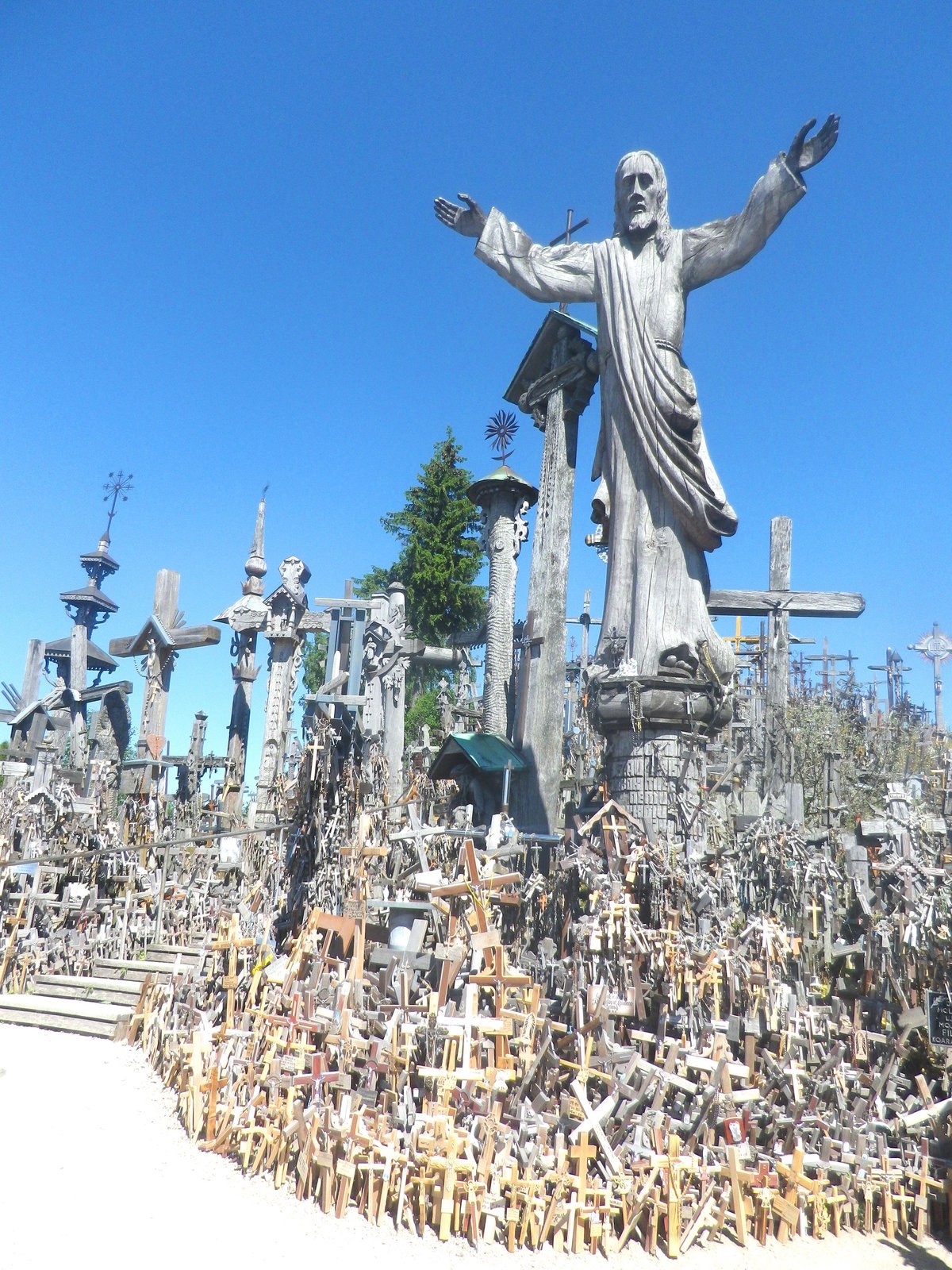
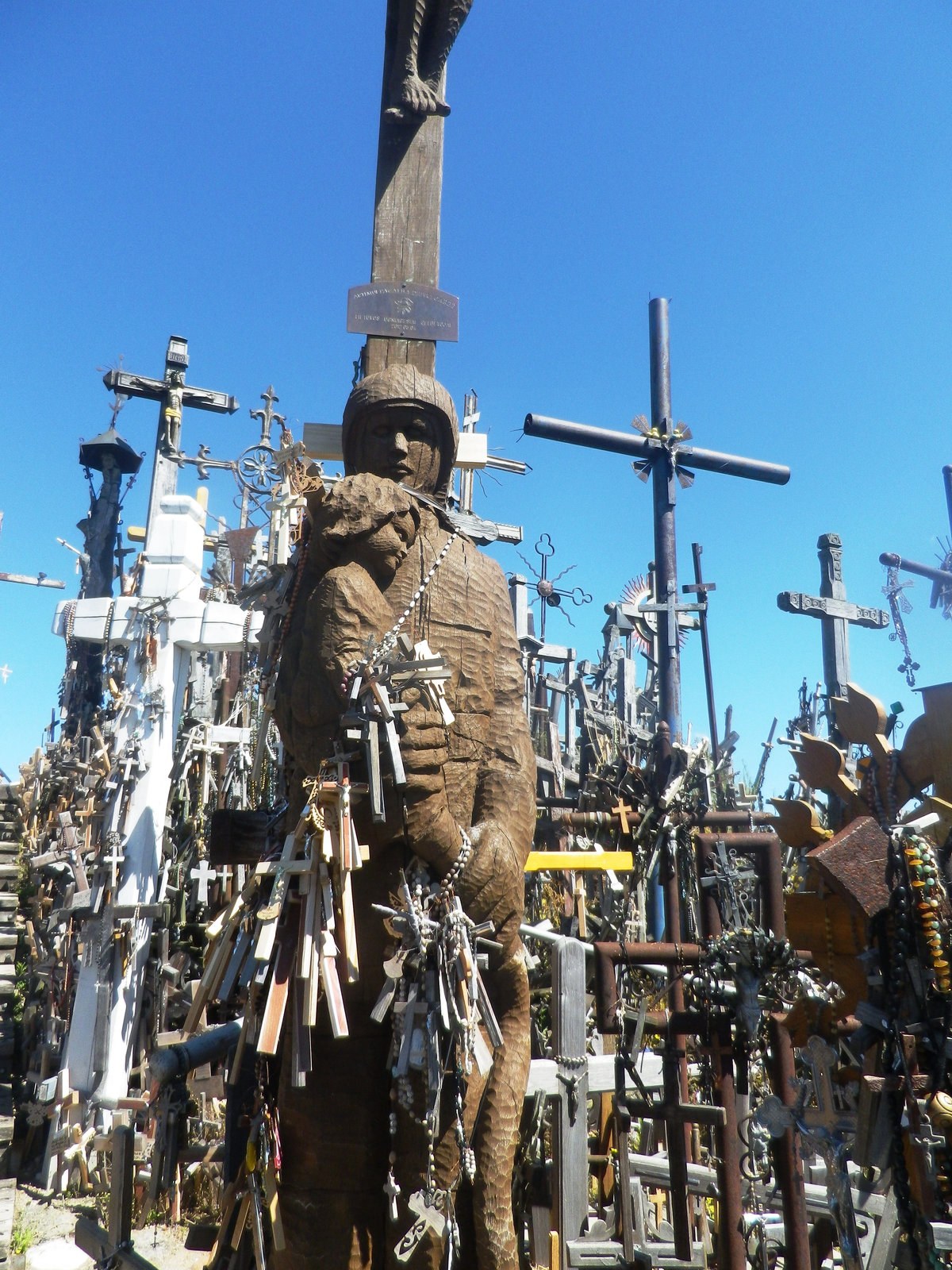
Originally an ancient pagan site, the hill of crosses became a focus of anti-Soviet patriotic feelings during the fifties, when crosses were placed to mark those executed or deported. Bulldozed repeatedly by the authorities, locals responded by planting ever more crosses in the dead of night.Siauliai, Lithuania
The Hill of CrossesRiga, Latvia
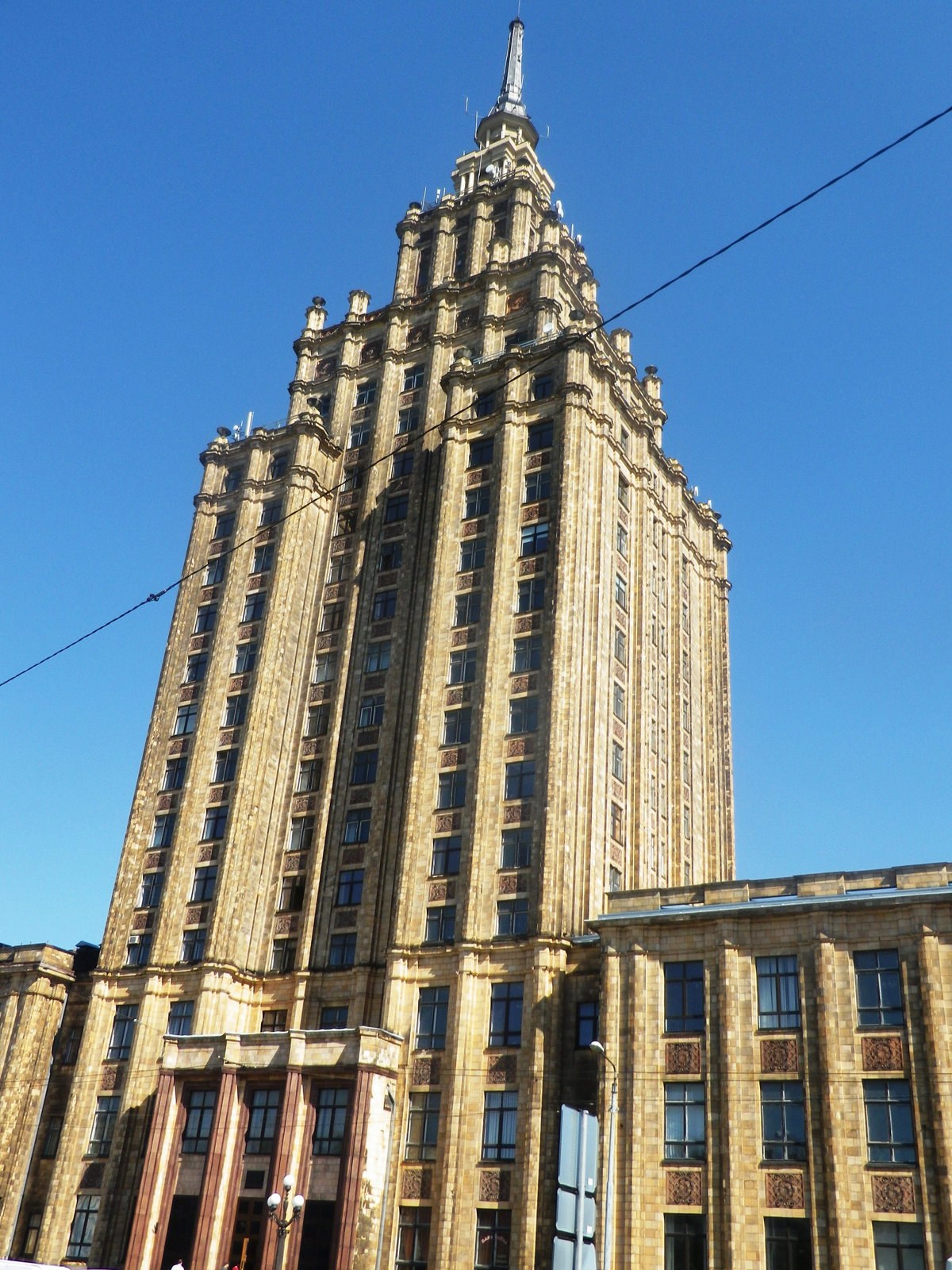
The Academy of Sciences building in Riga, Latvia, nicknamed "Stalin's birthday cake".Riga, Latvia
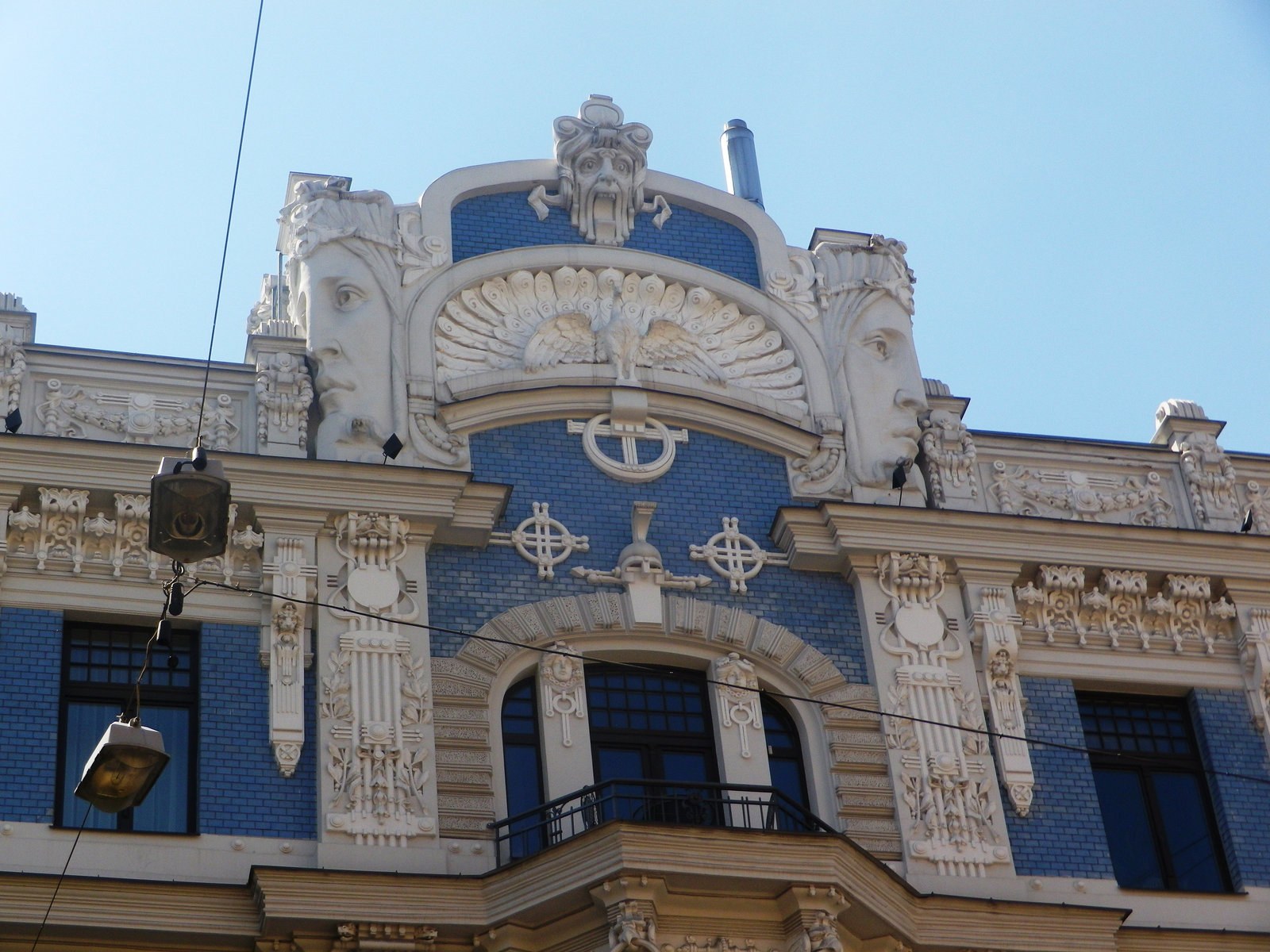
Designed by Mikhail Eisenstein, impassive faces look out over the Art Nouveau districtRiga, Latvia
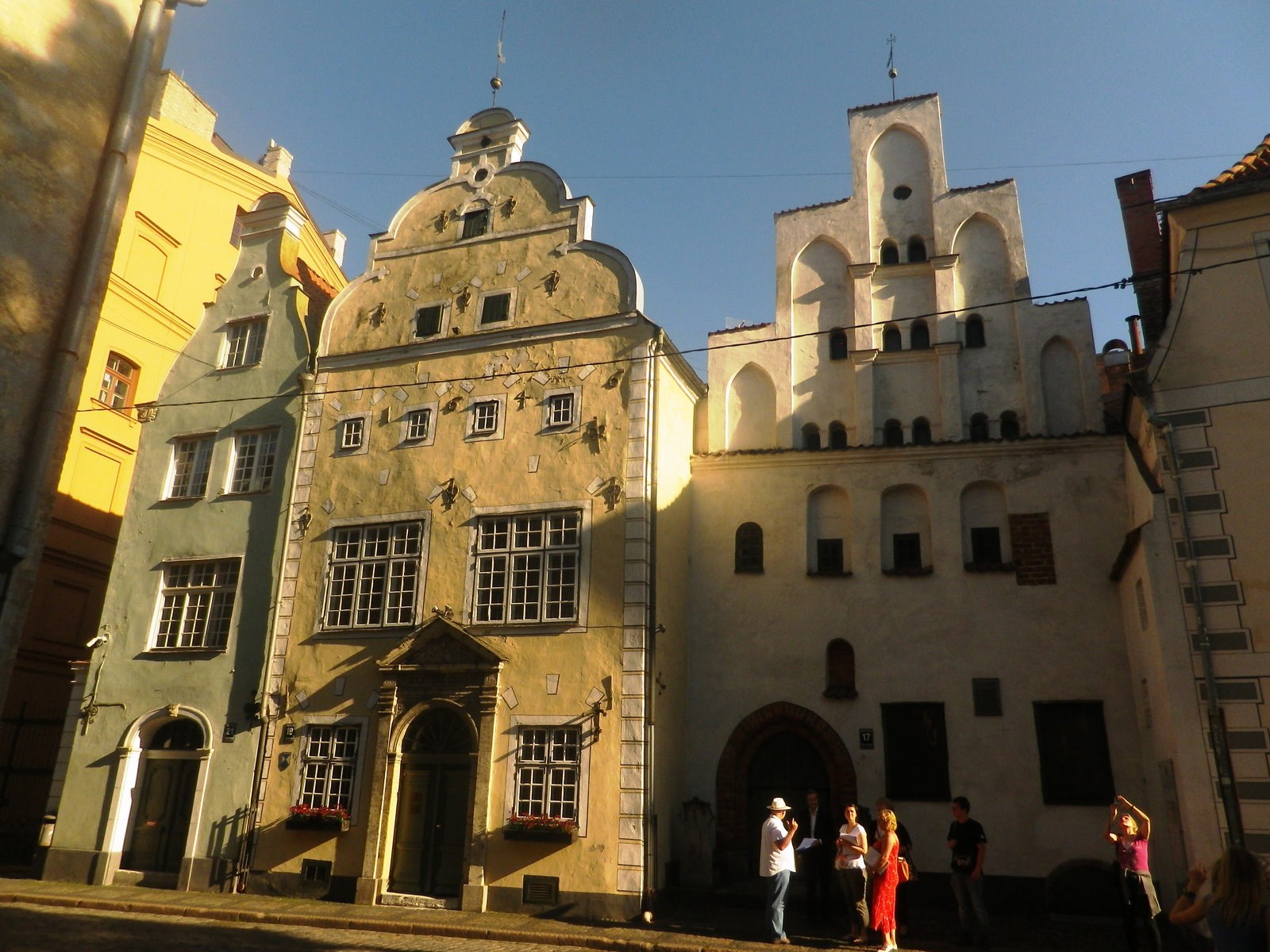
Houses in Riga known as the "Three Brothers," the oldest of which dates from the early 1400'sRiga, Latvia
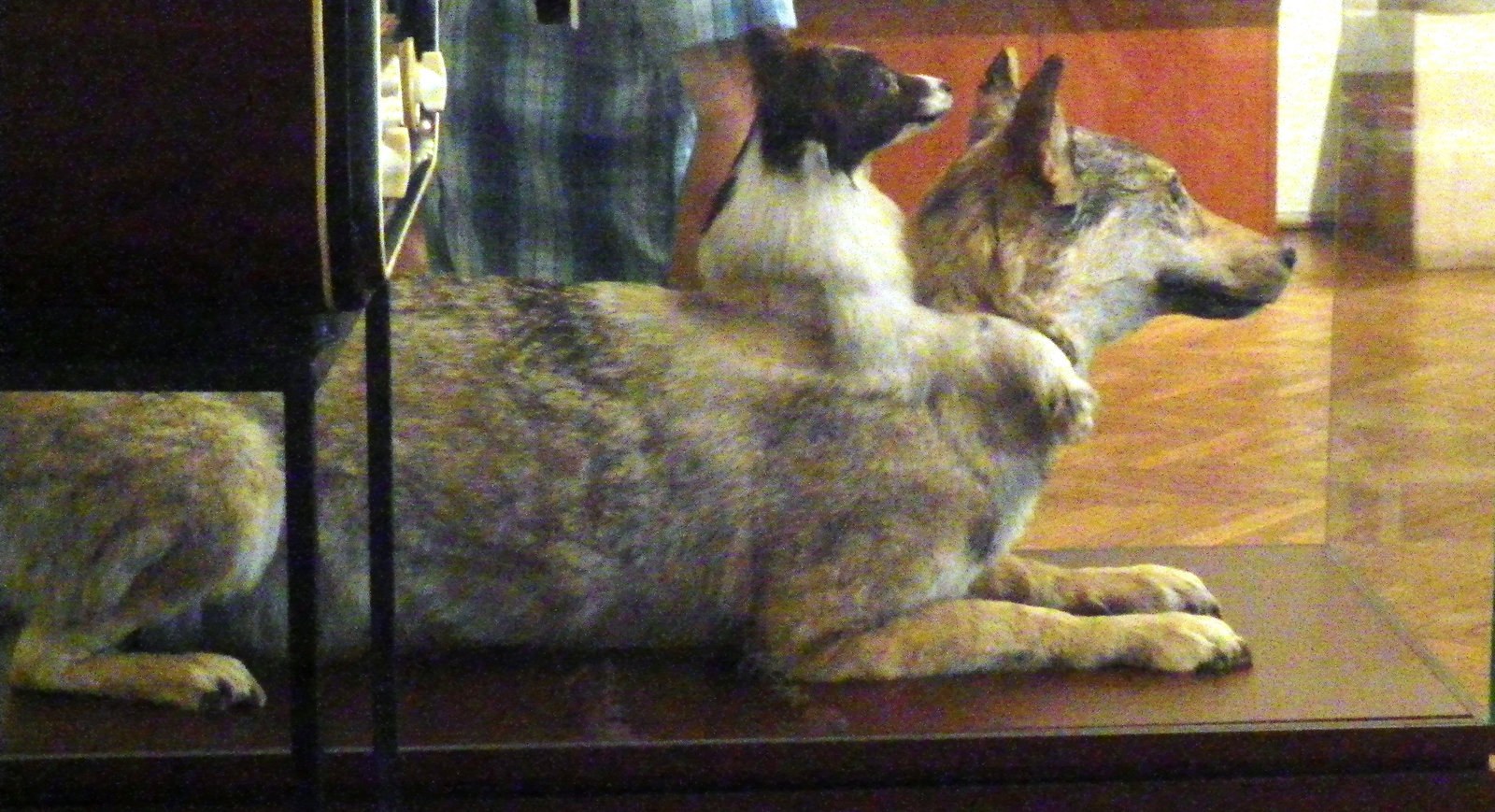
The two-headed dog in the Museum of Medical History, the work of eccentric Soviet scientist Dr. Demihov. Both heads functioned independently for the three hours the animal(s) lived.Riga, Latvia
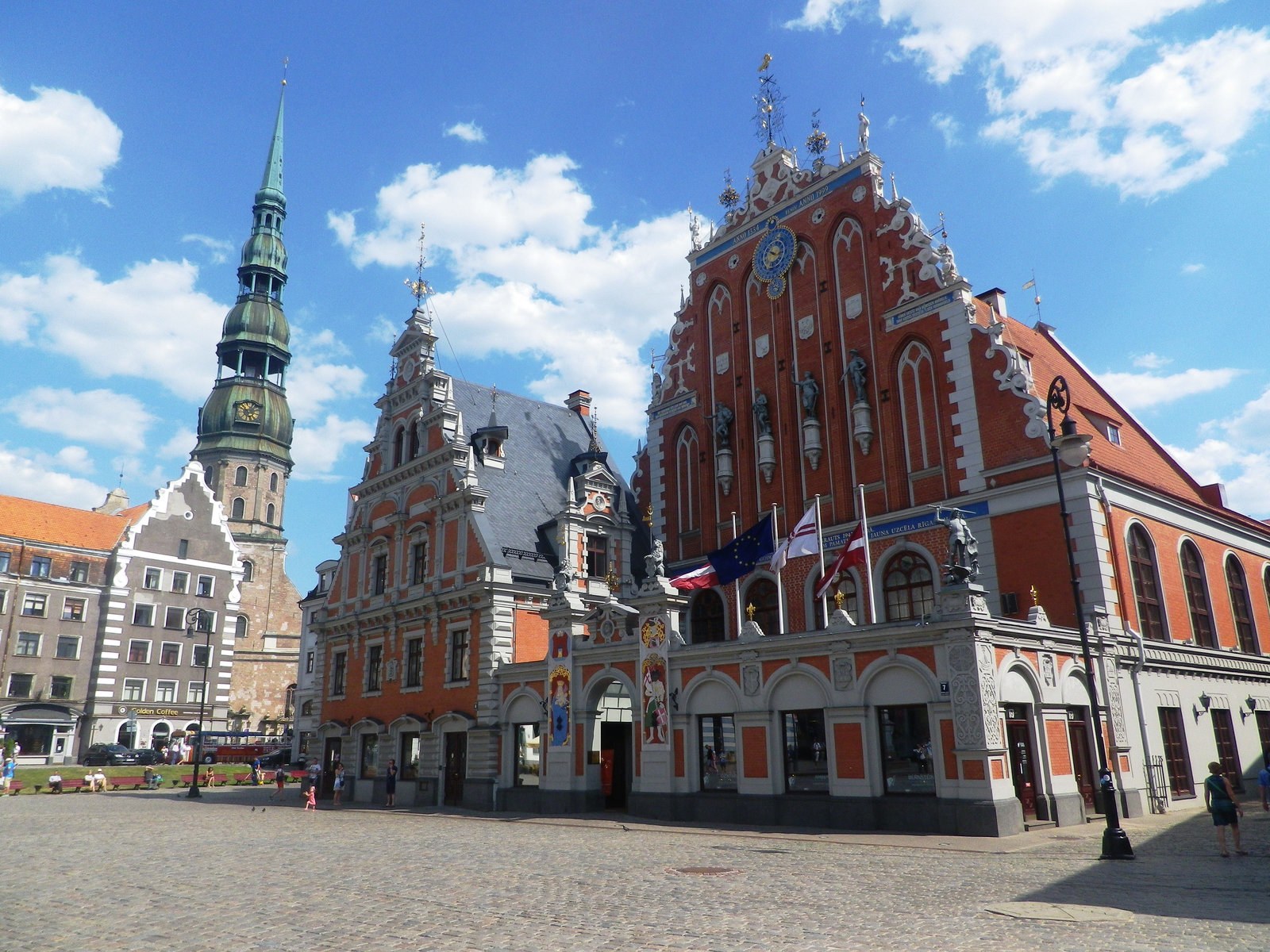
Originally dating back to the fourteenth century, the House of the Blackheads was rebuilt in 1995, after being shelled by the Germans and completely demolished by the Soviets. A rowdy bachelors drinking club, the name comes from their patron, a Roman warrior-saint of North African descent called Maurice.Dzintari, Latvia
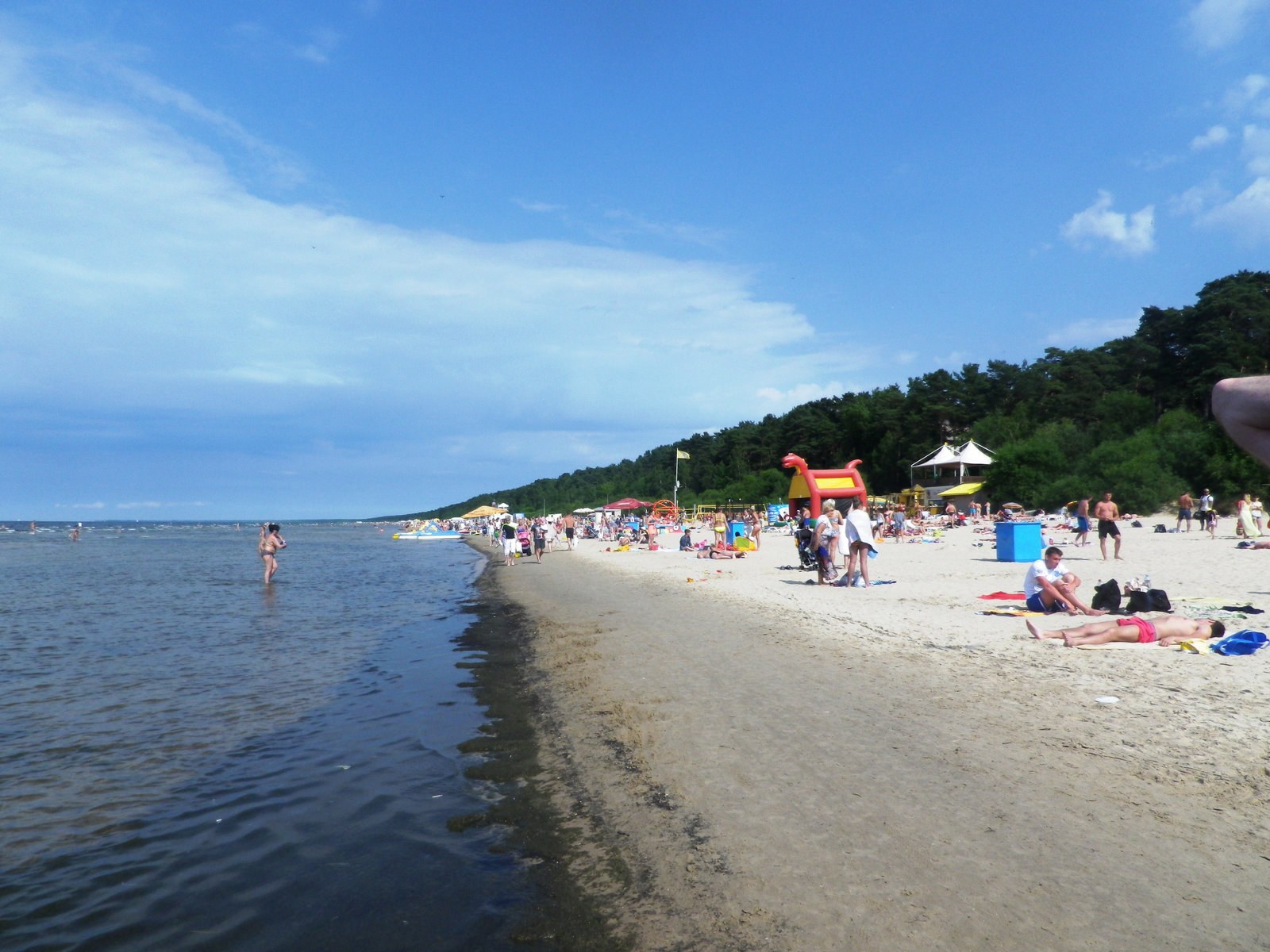
"Jurmala," (seashore) on the Baltic Coast was a favoured holiday destination for the nobility during Tsarist times.Tallinn, Estonia
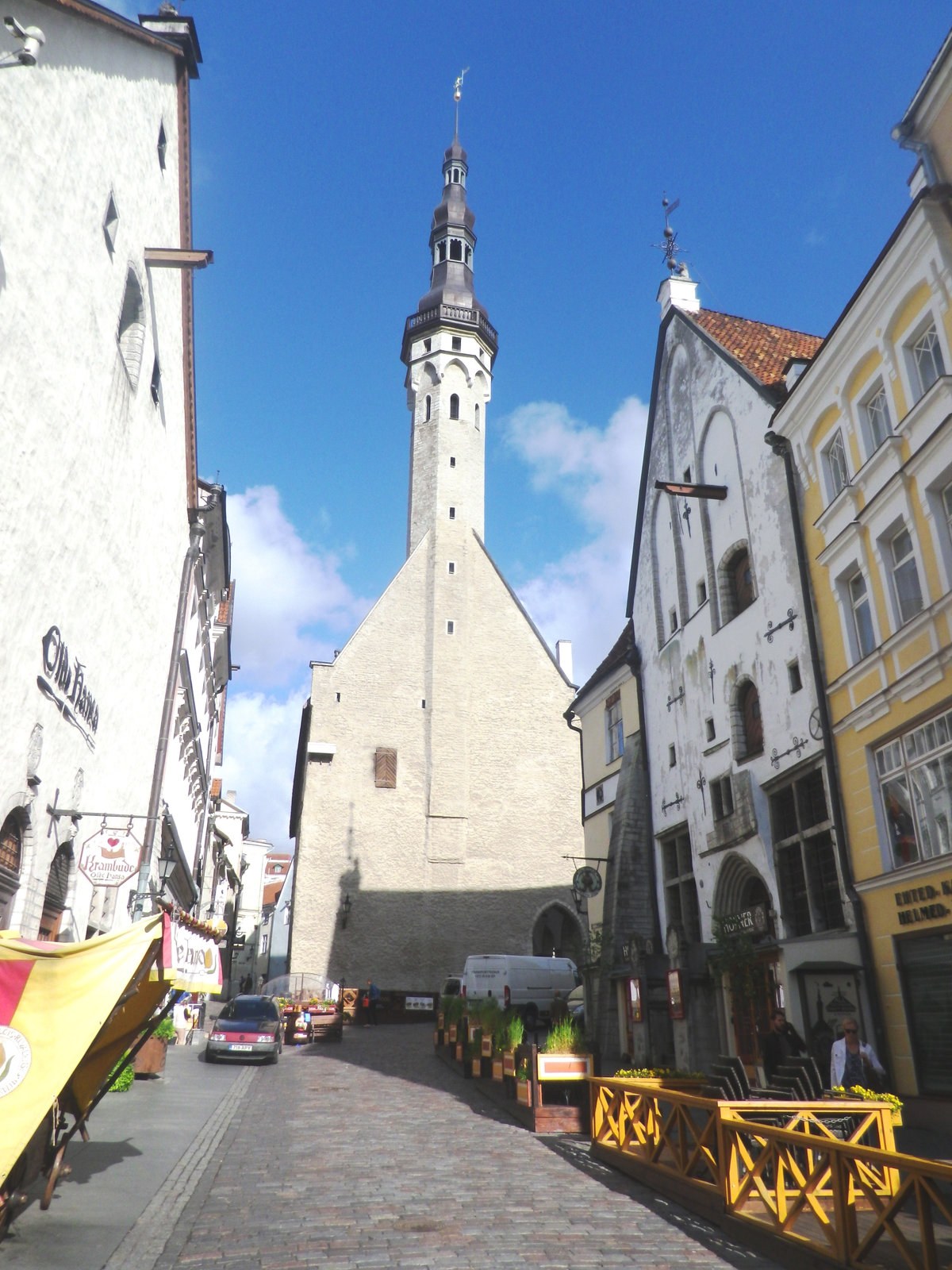
Tallinn's Hanseatic fifteenth century Town Hall, early in the morning when the rain finally stopped.Tallinn, Estonia
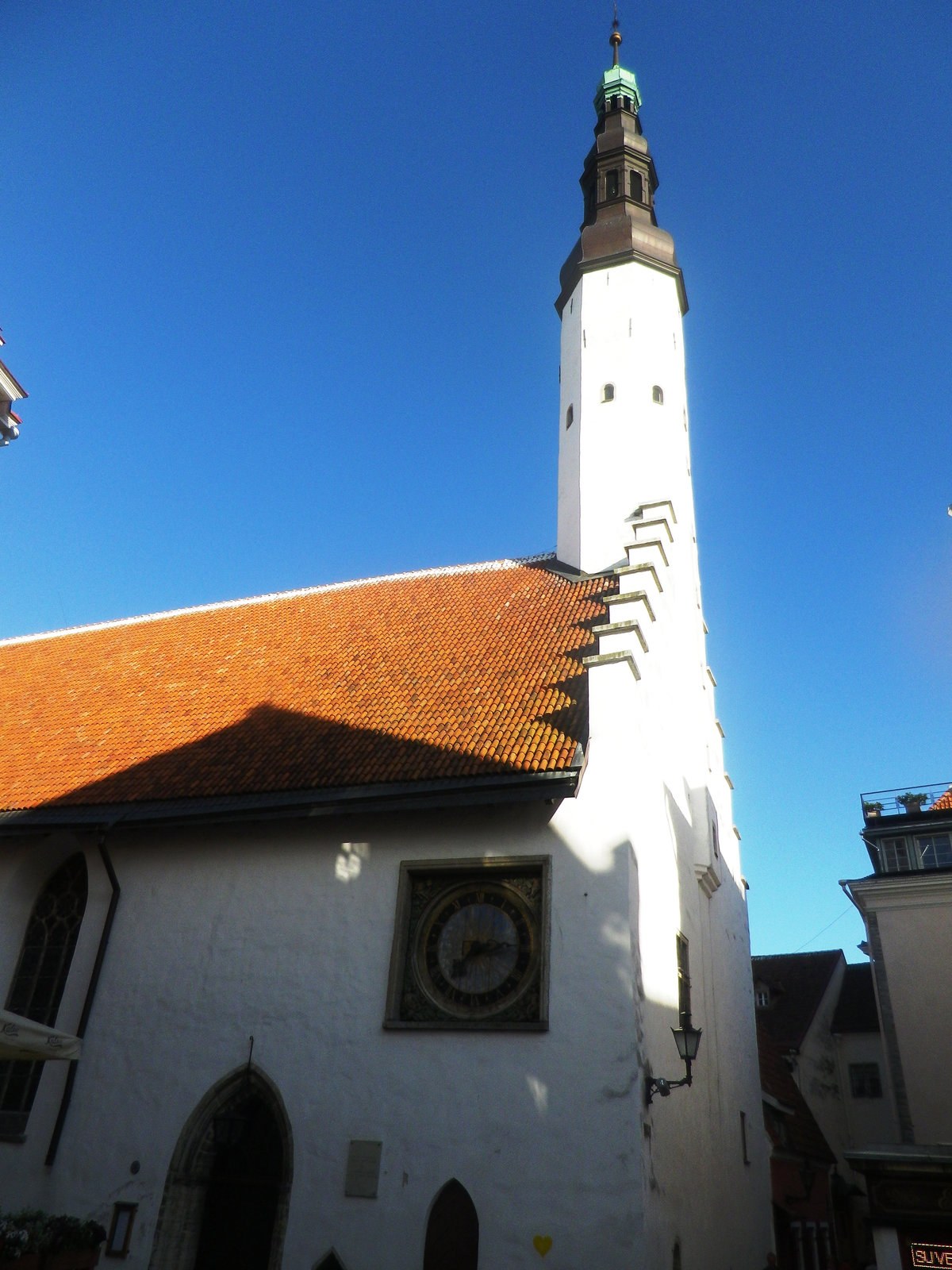
The Church of the Holy Ghost dates back to at least 1319.Tallinn, Estonia
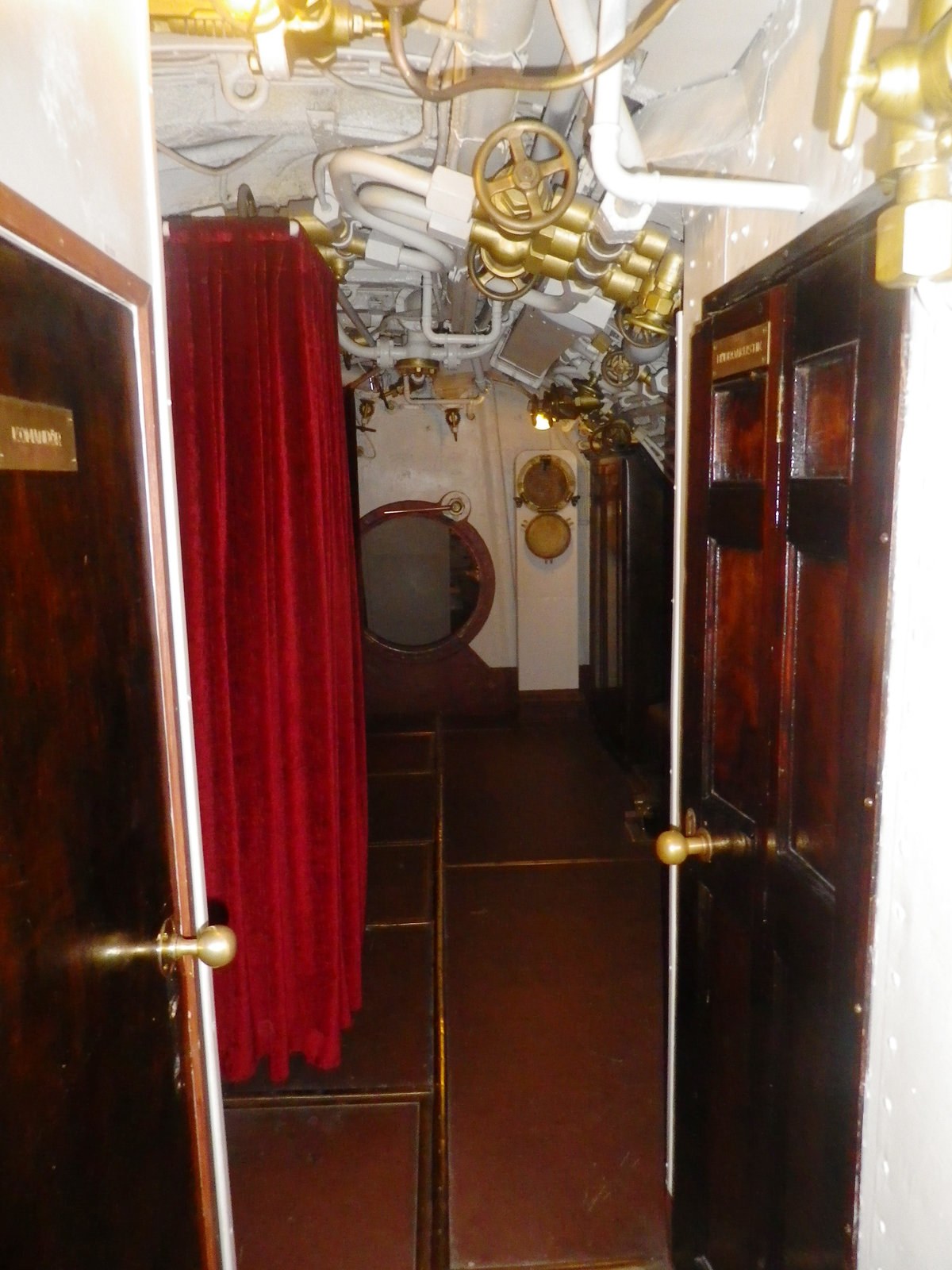
The interior of the Lembit, a British submarine built in the 1930's, then commandeered by the USSR.Kasmu, Lahemaa National Park,Estonia
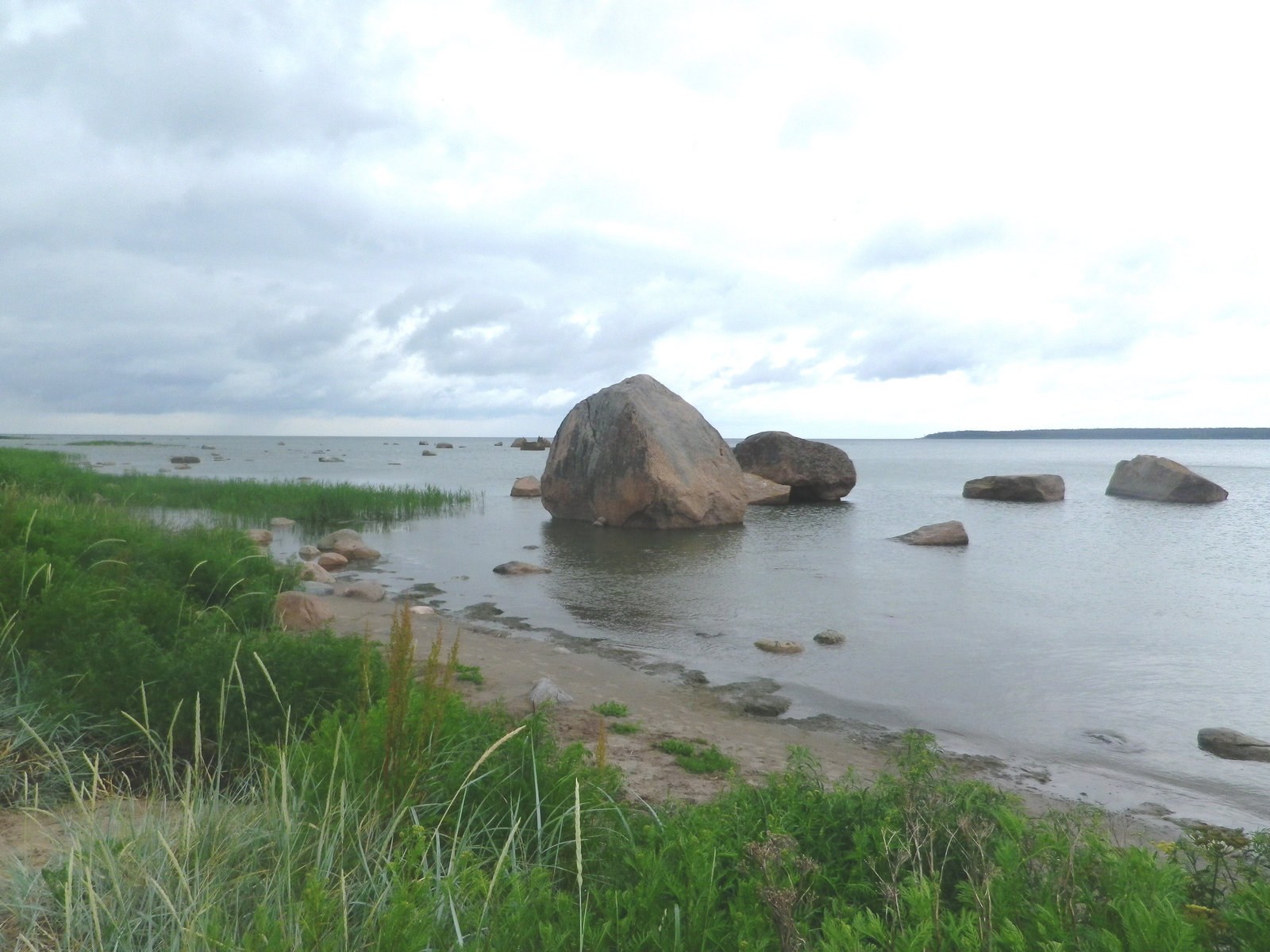
Erratic boulders deposited in the Gulf of Finland by a retreating glacier 12,000 years ago.